Ígnea I
Series Ígnea · MB-2026-001
US$ 7,600Unique work
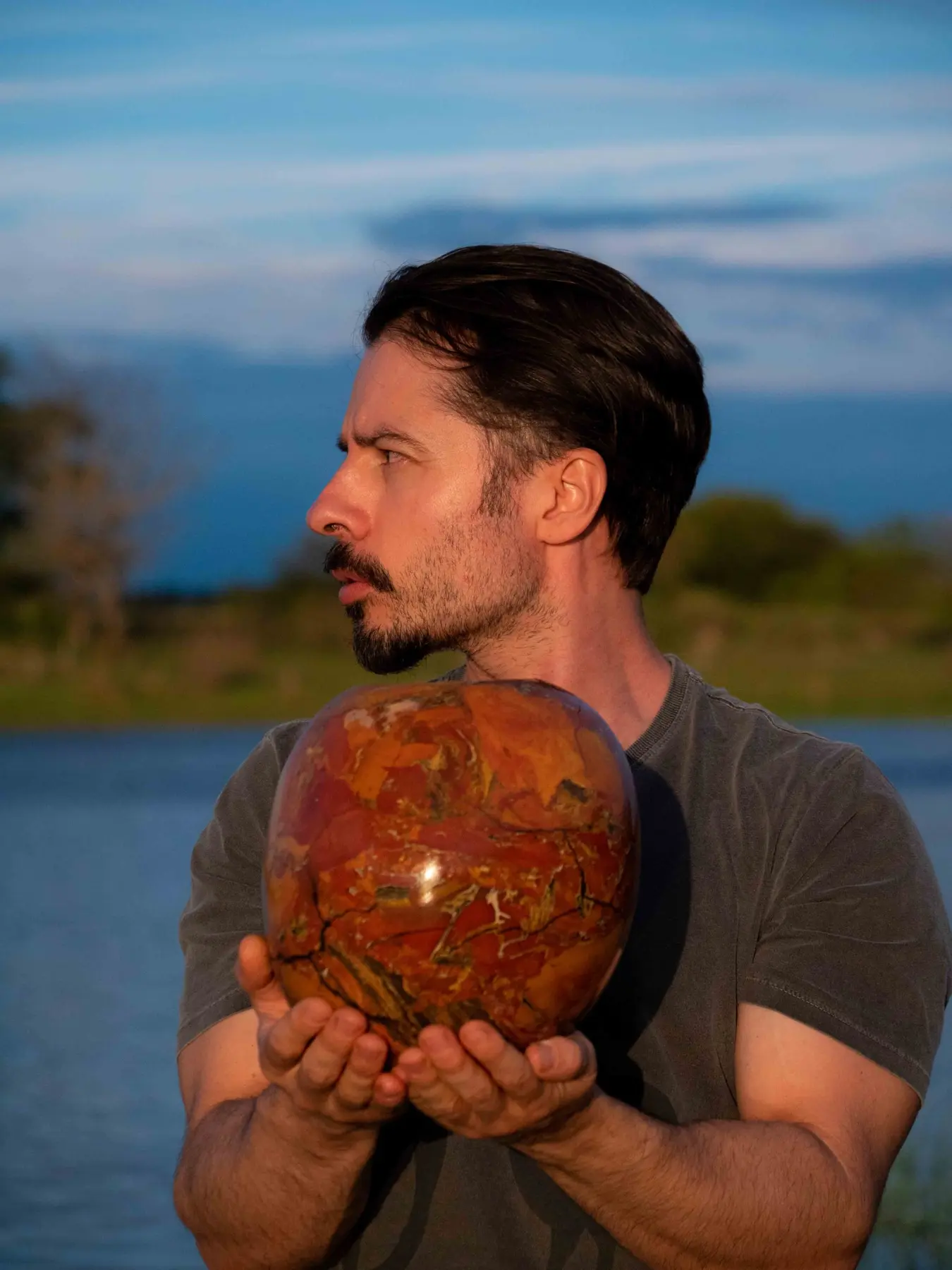
Brazilian geological art · Minas Gerais
One-of-a-kind argillite works shaped through more than two decades of geological research, experimentation and exacting handwork.
01 — Manifesto
Marcus Bernardes transforms argillite fragments into singular objects whose colour, fracture and geological memory can never be reproduced.
Read the artist’s story ↗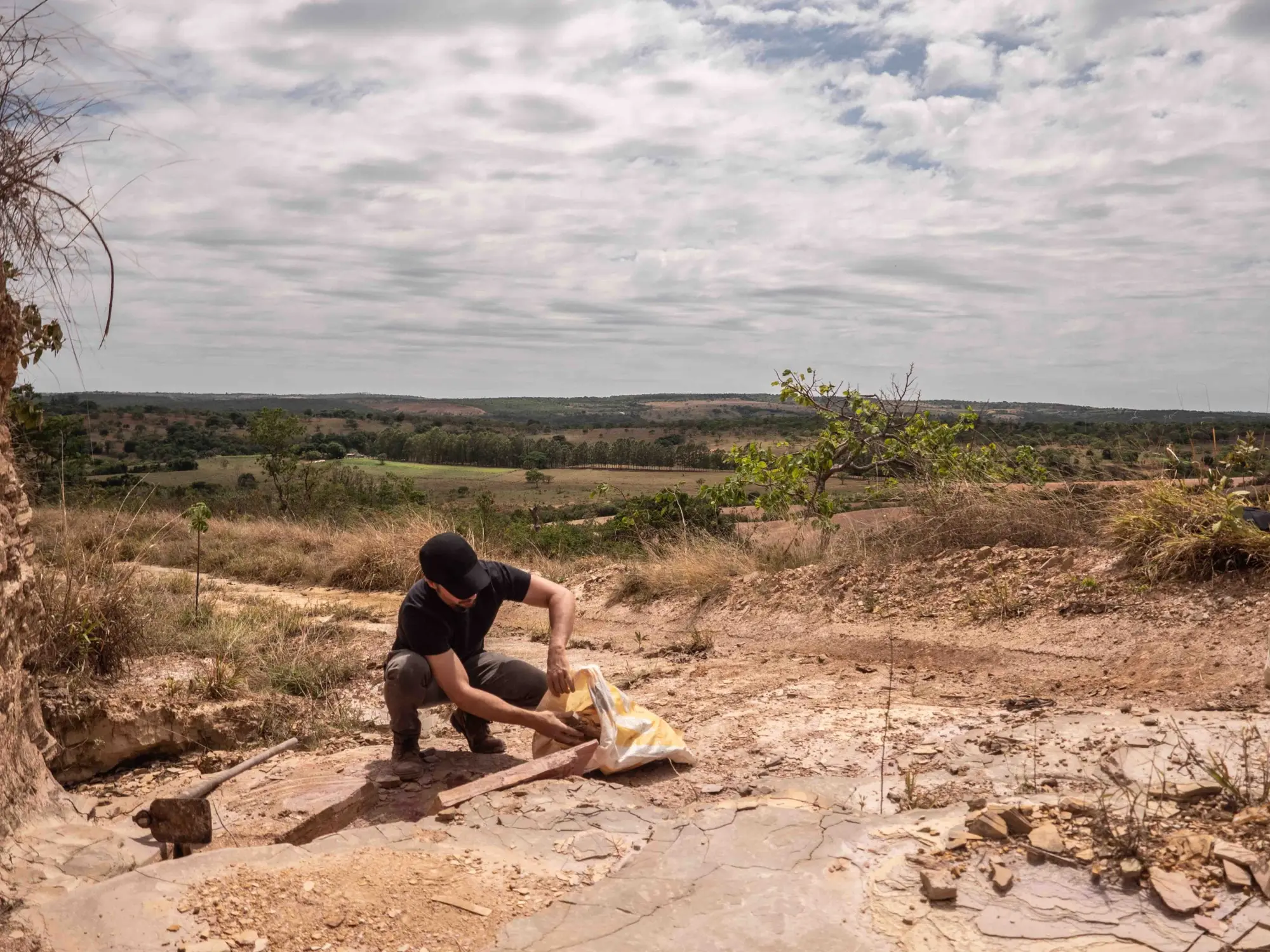
02 — Origin
The son of a geographer and an architect, Marcus trained as a psychologist and earned a master’s degree in Behavioral Science. His practice brings research, observation and material experimentation into dialogue with an instinctive approach to form.
03 — Collection
35 works
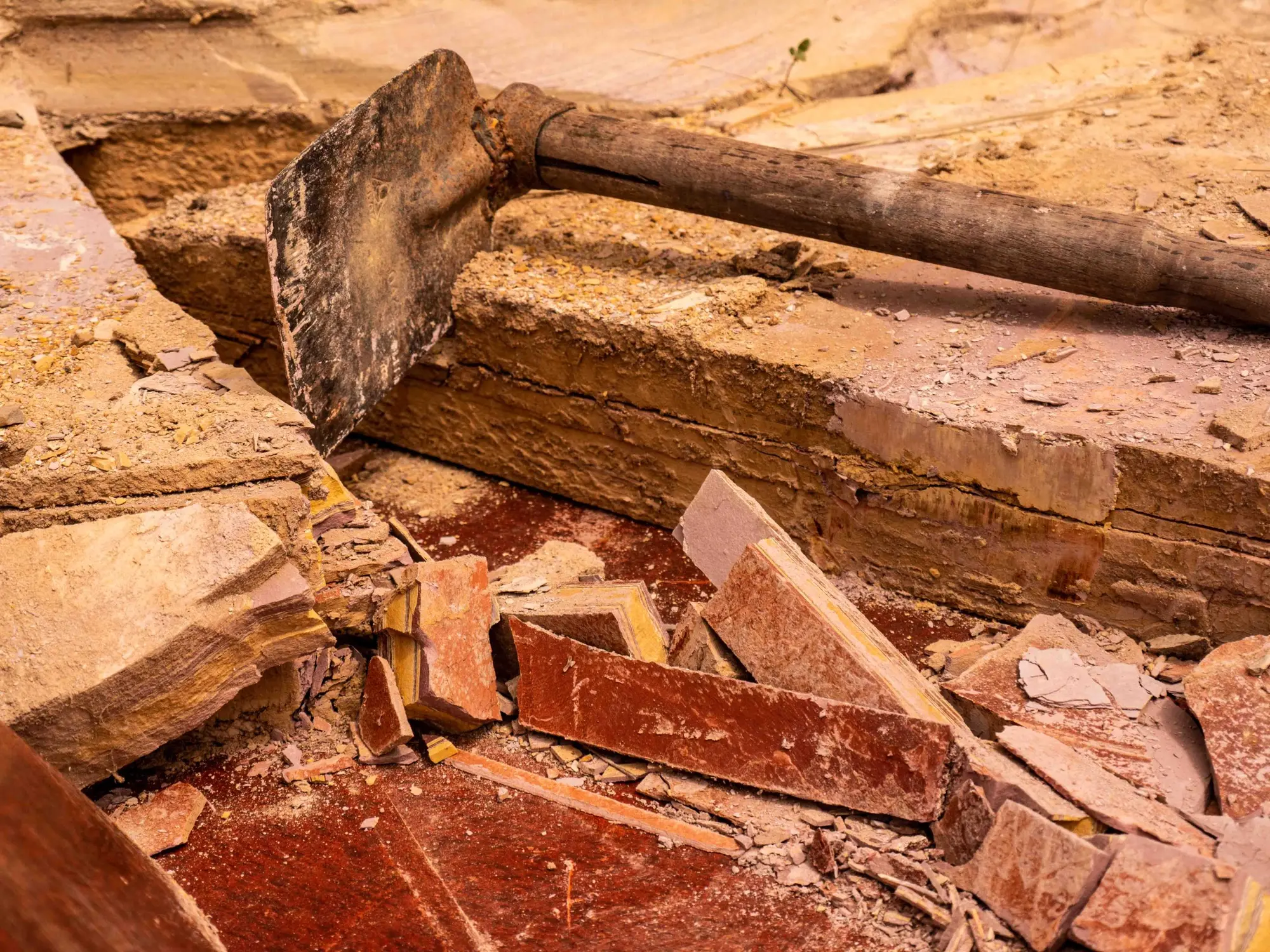
04 — Argillite
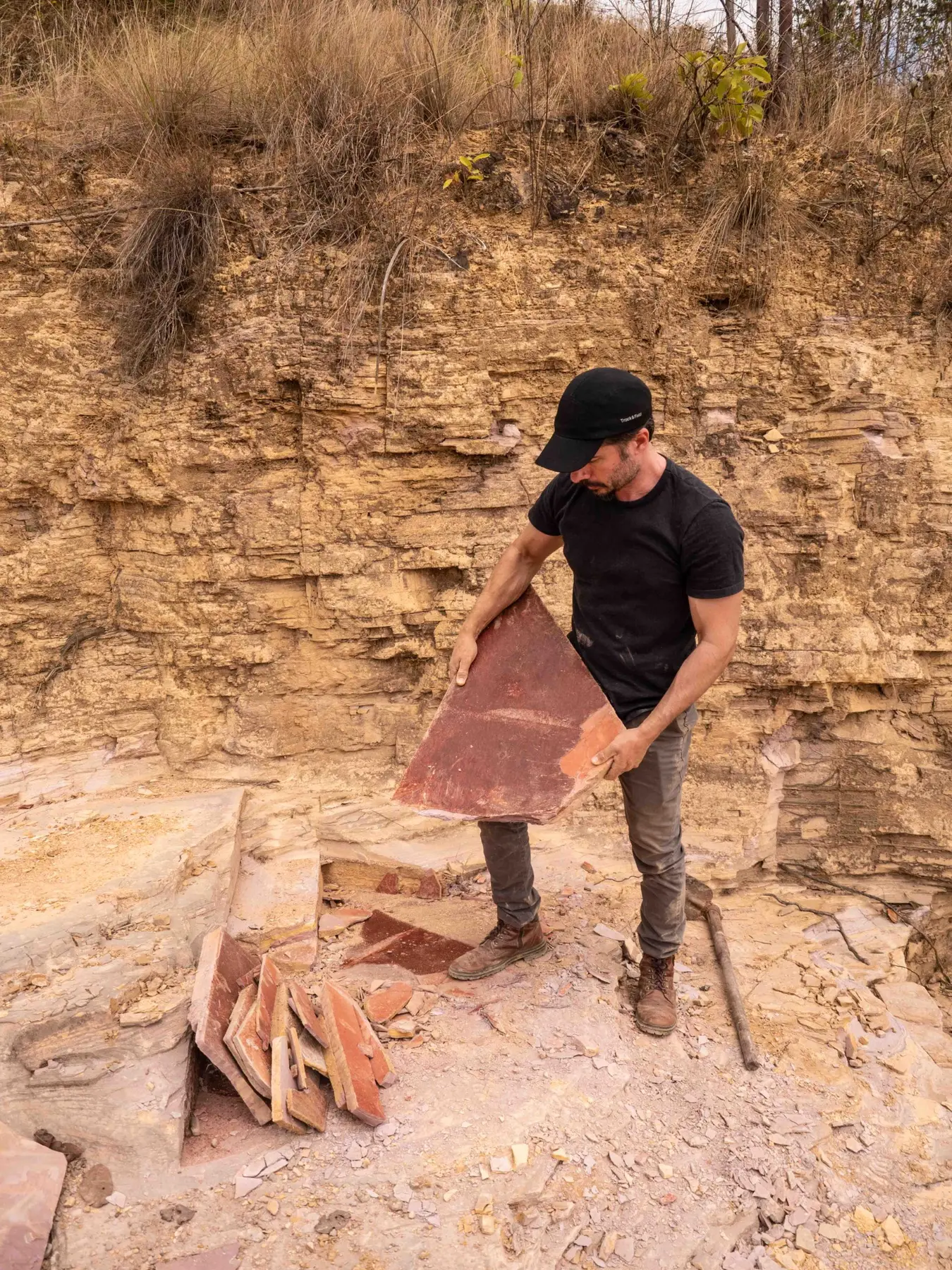
Argillite originates from clay particles deposited in ancient rivers, lakes and oceans. Pressure, time and mineral variation created the colours and textures that each work now brings to the surface.
05 — The Fragment Joining Technique
Geological literature, satellite imagery and expeditions guide the study of distinct outcrops and mineral patterns.
Fragments are chosen for colour, texture, hardness and their place within a larger composition.
Matter is separated into multiple scales, from powder to visible geological inclusions.
Water reunites particles and fragments into a multicoloured body that can be shaped by hand.
Intention meets the behaviour of stone; asymmetry and organic continuity emerge through this negotiation.
After drying, each work is treated and polished to reveal structural and chromatic depth.
“The work does not impose a skin upon the stone. It gives the stone the conditions to reveal its own interior landscape.”
Marcus Bernardes06 — The artist
Marcus Bernardes Guadalupe is a Brazilian artist, psychologist and researcher with a master’s degree in Behavioral Science. His relationship with argillite began in 2003, at seventeen, during fieldwork coordinated by his mother near Lagoa da Prata.
A freshly broken fragment—locally known as “giz”—revealed unexpected reds, purples and yellows. When washed, its colour intensified and its surface responded to hand shaping. That encounter initiated a material investigation spanning more than twenty-three years.
From early carved pebbles to resin experiments in Brasília and extensive field research in Minas Gerais, each technical limitation became a new inquiry. In 2020, accidental exposure to rain led to the Fragment Joining Technique: water, powder and fragments of different argillites could be recombined into entirely new mineral bodies.
Enquire privately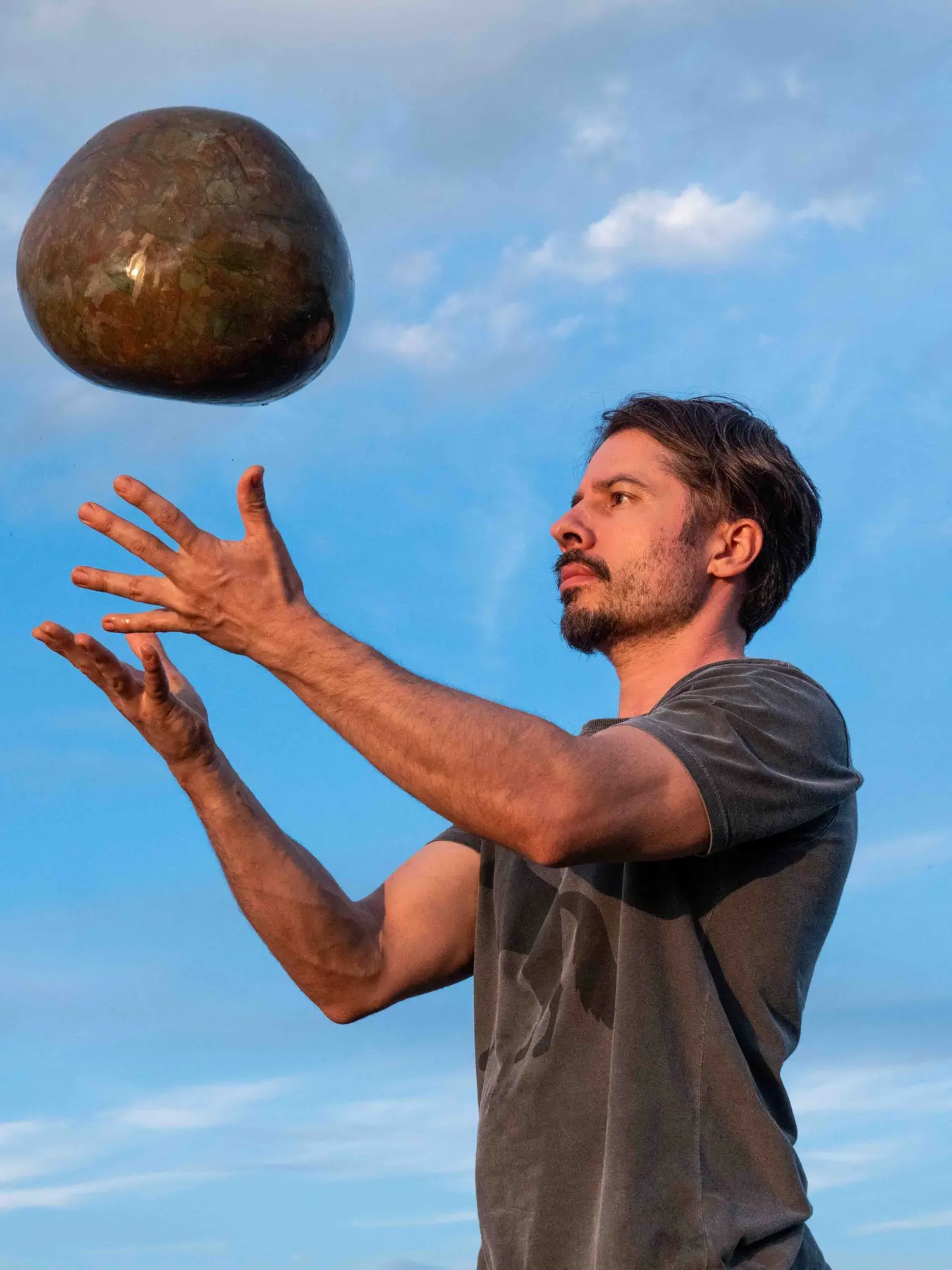
Curiosity became method; geological matter became language.
A practice built over time
First encounter with coloured argillite
Resin research addresses material fragility
New outcrops studied through geology and satellite imagery
The Fragment Joining Technique is developed
A mature collection shaped by 23 years of investigation
Private collecting
Each work is a singular encounter between geological time and the artist’s hand. Private acquisition, insured international shipping, curatorial selections and projects for exceptional interiors are handled directly by the studio.
Enquire privately